
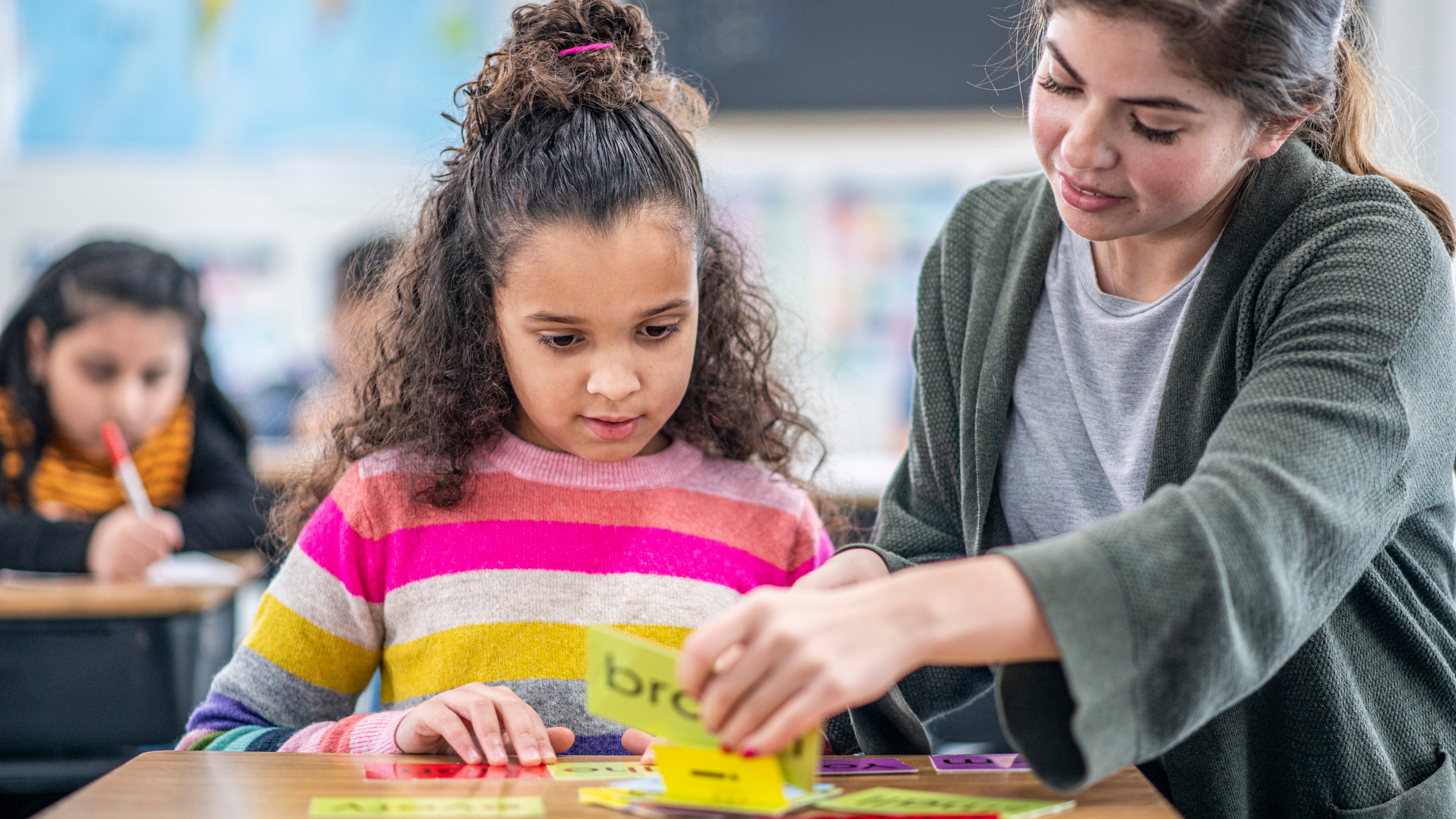
One moment can change a child’s life forever. A car crash. A fall. A sports injury. Suddenly, a student who once kept up in class is struggling to remember directions, control emotions, or keep up with schoolwork. When that student walks back into school, the question becomes: Who knows what to do next?
At Central Rivers AEA, the answer is the Brain Injury Support Team, and their work matters more than most people realize.
Brain injuries don’t always look dramatic. Many students return to school without visible signs, yet they may be relearning how to focus, organize their thoughts, manage fatigue, or control their emotions. Teachers may notice changes but feel unsure how to respond. Families are often overwhelmed, balancing medical appointments with fear about their child’s future. That’s where the Brain Injury Support Team steps in.
This team acts as a bridge, connecting schools, families, and medical providers so students don’t fall through the cracks. They help educators understand how a brain injury can affect learning, behavior, and social skills. They support teams in choosing the right accommodations, not just once, but as the student’s needs change over time. And they help families feel heard during an incredibly stressful chapter of life.
What makes this team so important is that they don’t work in isolation. They collaborate directly with teachers and IEP teams, offering practical strategies that fit real classrooms. They join transition meetings with hospitals and rehabilitation centers, helping ensure that when a student returns to school, the plan makes sense. They also provide training and resources so schools are better prepared to serve their students with brain injuries.
This work is especially timely. We are seeing more awareness of concussions, sports injuries, and the long-term effects of head trauma. Students are surviving injuries that once might have kept them out of school entirely, but survival is not the same as success. Without the right supports, students can struggle silently, fall behind academically, or experience emotional and behavioral challenges.
The Brain Injury Support Team helps prevent that outcome. They remind us that recovery doesn’t stop at the hospital doors, and that schools play a critical role in helping students rebuild skills, confidence, and hope.
For Iowa communities, this team represents something powerful: a promise that when life changes suddenly for a child, our schools are not left guessing, and families are not left alone.
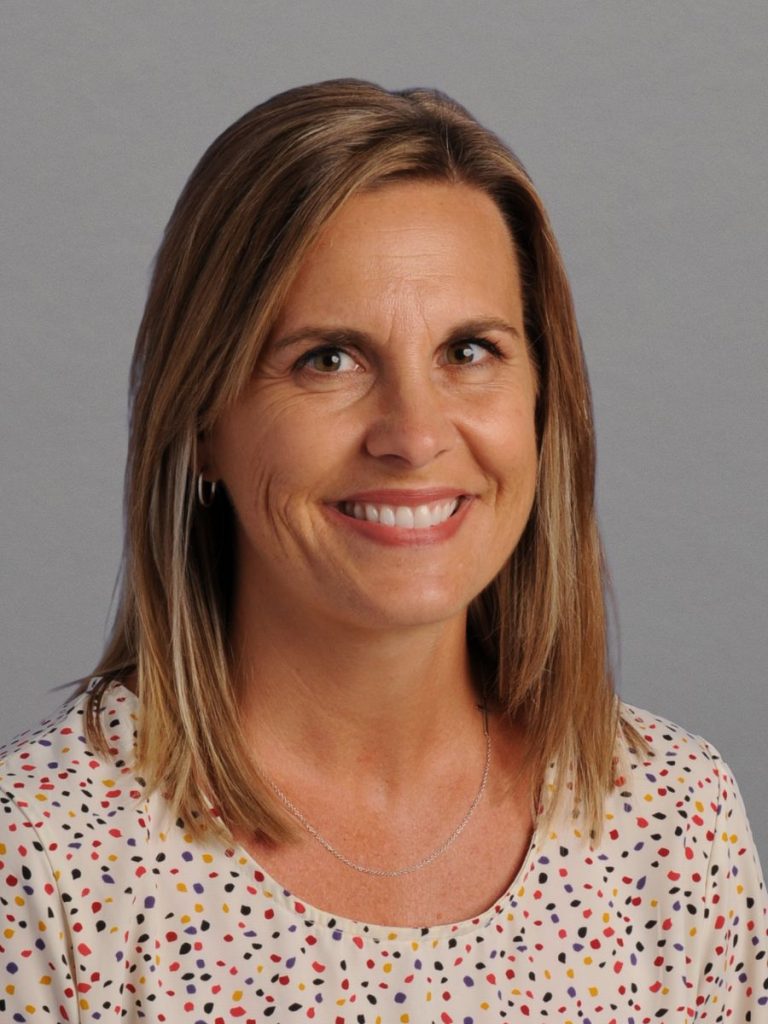
Jennifer Buseman is a member of the Central Rivers Brain Injury Support Team and an Occupational Therapist serving the AEA. She can be reached at jbuseman@centralriversaeaa.org. Central Rivers AEA helps over 5,000 K-12 teachers in 18 counties of north central Iowa improve results for over 60,000 students. Learn more at www.centralriversaea.org.