

When two-year-old Mateo began receiving Early ACCESS services through Central Rivers Area Education Agency (AEA), he had few ways to communicate. Most days, he led his mother, Ana, by the hand to what he wanted. Eye contact was brief. When he couldn’t express himself, frustration often took over.
During the family’s first home visit, the early intervention provider from Central Rivers AEA didn’t begin with a formal test or a bag full of toys. Instead, she started with a conversation. She asked Ana about their daily routines and the moments that felt most challenging.
Together, they chose snack time as the place to begin.
The provider coached Ana to pause before handing Mateo his snack, offer two simple choices, and label what he was reaching for. Most importantly, Ana was encouraged to respond warmly, whether Mateo used a gesture, a sound, or a glance.
Within a few weeks, Ana noticed meaningful changes. Mateo looked at her more often. He showed more interest in back-and-forth interaction. He began making new sounds, trying to communicate in ways that felt like small but important steps forward.
What once felt overwhelming began to feel hopeful.
This kind of family partnership is at the heart of Early ACCESS, Iowa’s early intervention system for children under age three who have developmental delays or disabilities. Early ACCESS is supported by the Individuals with Disabilities Education Act (IDEA) and is delivered locally through organizations like Central Rivers AEA.
For young children with autism, milestones such as first words, social connection, and communication often develop differently – and on different timelines. Early intervention focuses on helping families recognize and build on progress as it happens in everyday life.
Instead of separating learning from real life, Central Rivers AEA providers work alongside families to build skills during routines they already do every day: mealtimes, playtime, getting dressed, bath time, and bedtime stories. These small daily moments create consistent opportunities for growth.
Central Rivers AEA early childhood providers use research-based coaching practices that help families learn strategies they can use again and again – long after a provider has left the home. Families often say the most powerful part of early intervention isn’t just the skills their child learns, but the confidence they gain as caregivers.
In practice, early intervention doesn’t look like “therapy” in the traditional sense. It looks like teamwork. The provider models a strategy. The caregiver tries it during a routine that matters to them. Then together, they reflect on what worked and decide what to try next.
Progress isn’t measured only by new words. It’s also found in new ways of connecting – shared smiles, longer attention, stronger engagement, and simple gestures that say, “I’m here. I’m trying. I want to connect.”
At Central Rivers AEA, we believe every child deserves the chance to grow and thrive – and every family deserves support, encouragement, and practical tools that fit their real life.
From first steps to first words, these early partnerships can make a lasting difference.
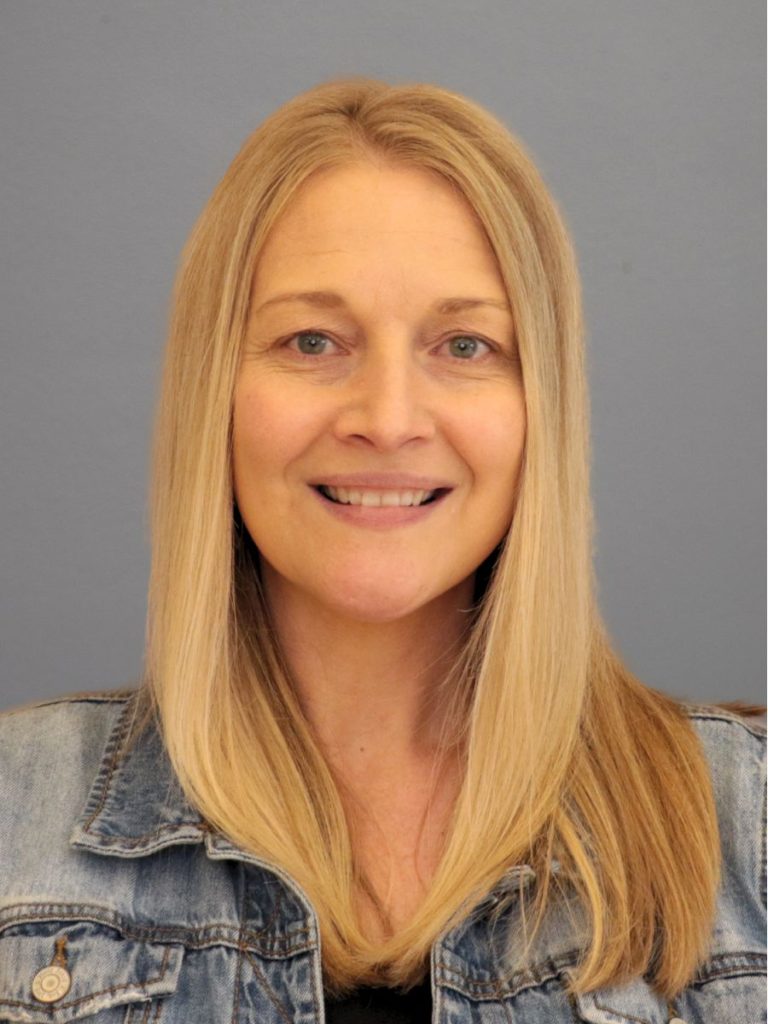

Elissa Berding and Julie Sherburne are Early ACCESS Regional Coordinators with Central Rivers Area Education Agency based out of Cedar Falls. They can be reached at eberding@centralriversaea.org and juliesherburne@centralriversaea.org. Central Rivers AEA helps over 5,000 K-12 teachers in 18 counties of north central Iowa improve results for over 60,000 students. Learn more at www.centralriversaea.org.