
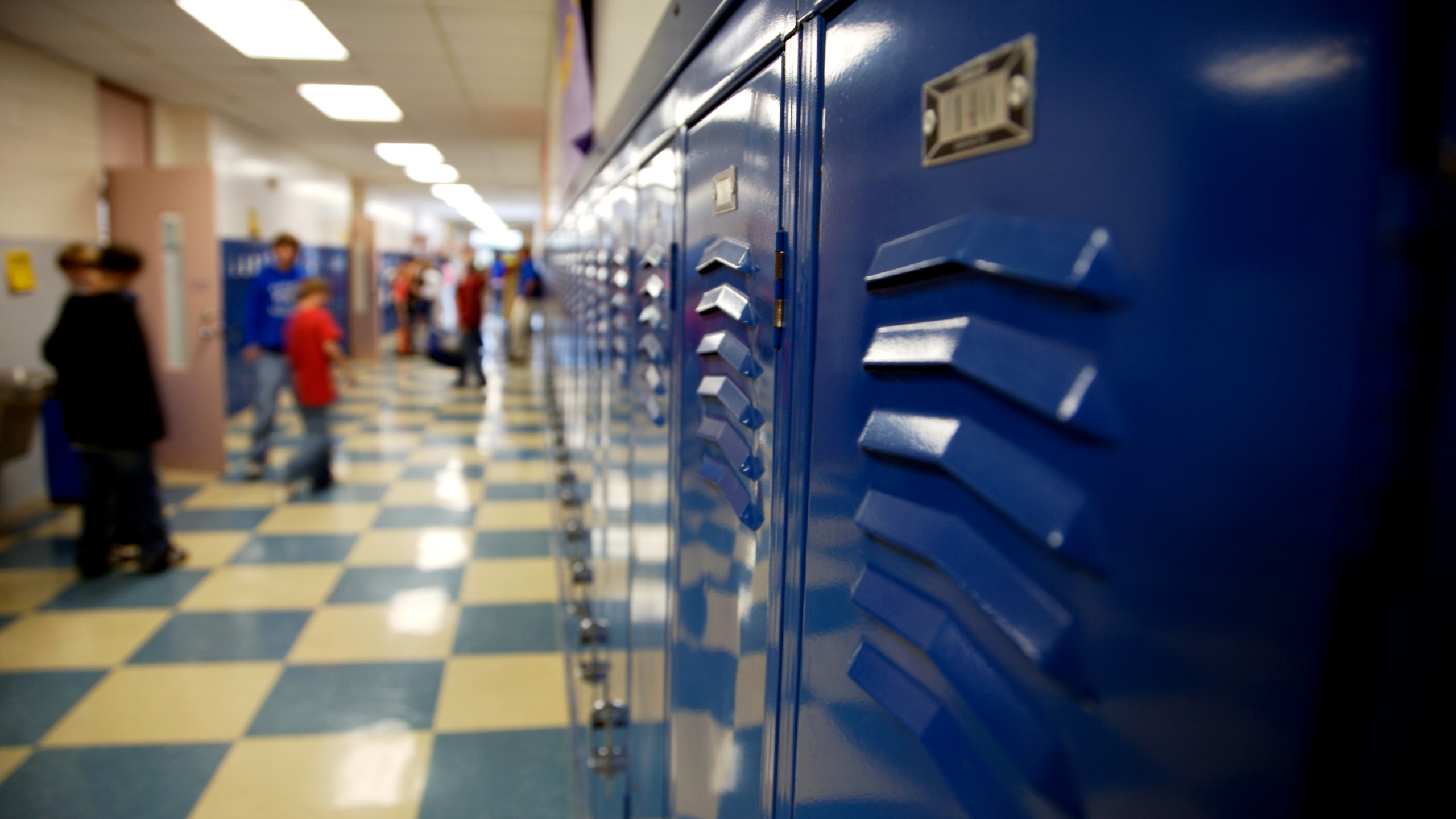
If a student missed nearly a full month of school all at once, any parent or teacher would immediately sound the alarm. Yet when school absences are scattered quietly throughout the year, it may not trigger concern. But, what starts as a few absences here and there can quickly snowball into a pattern known as chronic absenteeism (missing 10% or more of the school year), and its negative effects compound faster than most families realize.
School progresses like a staircase; each lesson builds on the step before it. When children miss days early on, the foundation weakens. Research has shown that students who were chronically absent in kindergarten and first grade are significantly less likely to read proficiently in third grade compared to students with good attendance. As students reach middle school, frequent absences become one of the strongest predictors of academic frustration and dropout. It also creates challenges for teachers, who must continually work to help absent students catch up while keeping the rest of the class moving forward.
So why are students typically absent from school? Though chronic absences can stem from multiple factors, research points to lack of engagement, limited access to student and family supports, and health challenges as primary causes. The good news is that our local schools are collaborating with families and community providers to address school attendance challenges. Educators are spotting attendance shifts early, sharing data with parents, connecting families to community resources, and creating support plans that help students improve their attendance. And the impact of this work is showing. During the COVID-19 pandemic, Iowa chronic absenteeism jumped from 12.7% in 2018-19 to 25.6% in 2021-22. But, the most recent statewide data gathered during the 2024-25 school year indicates that chronic absenteeism has dropped to 15.6%.
Although significant progress has been made, there is still work to be done. Central Rivers Area Education Agency is available to partner with schools in this effort. Central Rivers AEA can assist school teams in analyzing attendance data, examining root causes, and designing systems of support. They can also deliver professional development in areas related to chronic absenteeism such as student engagement, building social connections, high quality academic instruction, and strengthening systems for behavioral and mental health support. By working together, schools, families, and communities can ensure every child receives the support they need to show up, stay connected, and reach their full potential.
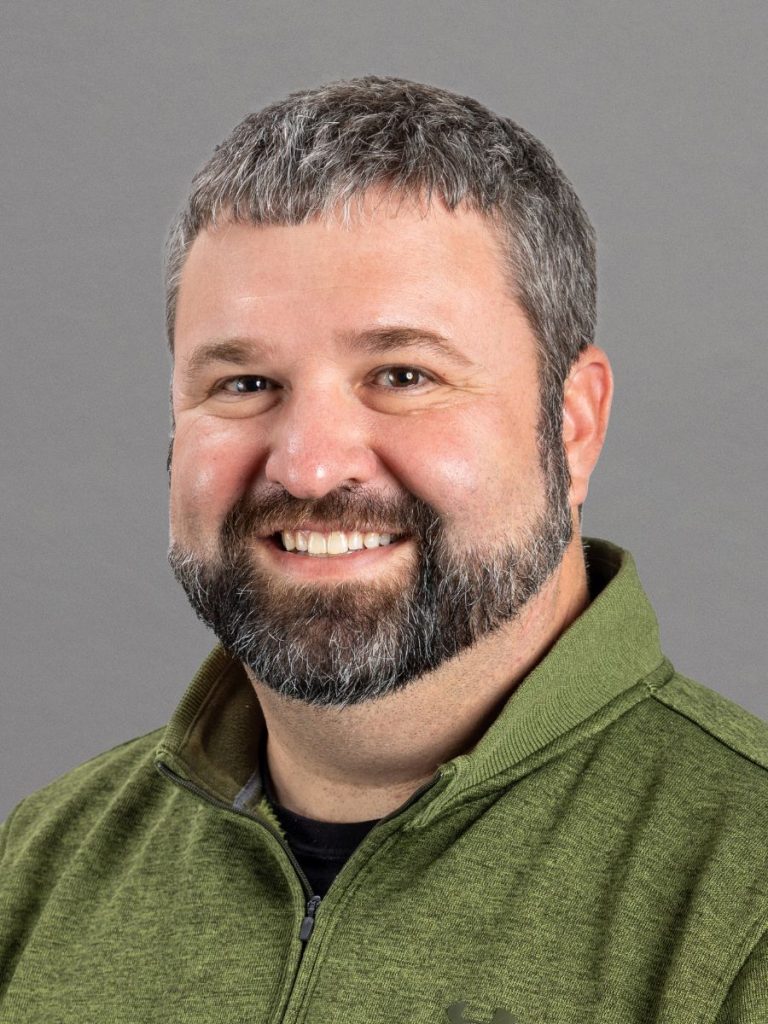
Dustin Reese is a School Psychologist and Educational Services Consultant for Central Rivers Area Education Agency. He can be reached at dreese@centralriversaea.org. Central Rivers AEA serves children, families and educators in 18 counties of Iowa.